Best Natural Flea and Tick Prevention for Dogs in Exeter
Best Natural Flea and Tick Prevention for Dogs in Exeter
Flea and tick season can be a stressful time for dog owners in Exeter and the surrounding communities, especially as March brings damp, chilly weather that encourages these pests to thrive. Many families are looking for the best natural flea and tick prevention for dogs, hoping to protect their pets without exposing them to harsh chemicals. At Holistic Animal Healing Clinic, located at 7a Hampton Road, Exeter, NH 03833, our veterinary team is dedicated to providing gentle, effective solutions that keep your dog comfortable and safe all year long. In this blog, we will explore how to recognize the signs of flea and tick issues, what causes infestations in our region, holistic treatment options, and practical steps you can take at home for prevention. By the end, you will have a clear picture of how to keep your dog healthy and pest-free using natural methods, all while working in partnership with a local veterinarian you trust. We will also discuss when it is time to schedule an appointment with our veterinarians for additional support or a personalized prevention plan.
Recognizing Flea and Tick Problems in Your Dog
Spotting flea and tick troubles early is essential for your dog’s comfort and health. Symptoms include persistent scratching, biting, or licking, especially around the neck, tail, and belly. You may also notice redness, small bumps, or scabs on your pet’s skin. Fleas can leave behind small black specks called flea dirt, often seen during grooming. Ticks, on the other hand, may appear as small lumps attached to the skin, usually in less hairy areas like behind the ears, between toes, or around the face. Additionally, some dogs develop allergic reactions to flea bites, leading to intense itchiness and hair loss. In severe cases, dogs can become lethargic or lose their appetite due to discomfort or anemia from blood loss. Early detection is key, as even a few pests can multiply quickly and lead to larger infestations.
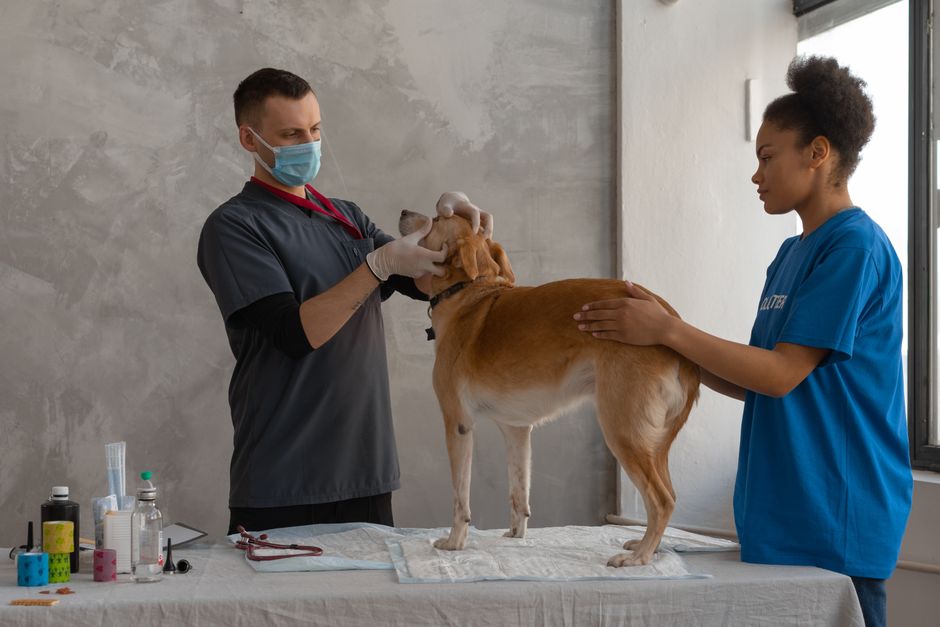
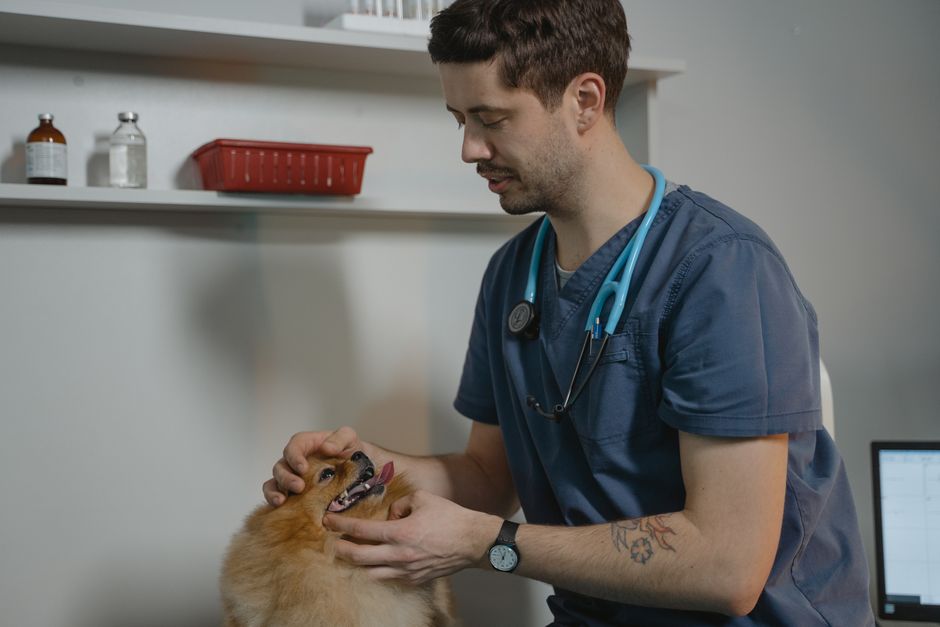
If you are unsure whether your dog is experiencing a flea or tick issue, a wellness examination at Holistic Animal Healing Clinic can help identify the problem and create a plan tailored to your pet’s needs. Our veterinary professionals are skilled at spotting subtle signs that pet owners may miss, ensuring your dog receives attentive, individualized care.
Why Are Fleas and Ticks a Problem in Exeter?
Understanding the causes and patterns of flea and tick infestations can help you make informed decisions about prevention. In Exeter and the surrounding New Hampshire communities, the combination of mild winters and damp springs creates ideal conditions for fleas and ticks to thrive. These pests are most active from early spring through late fall, but indoor infestations can persist year-round if not properly managed.
Fleas often hitch a ride into your home on pets, wildlife, or even shoes and clothing. Once inside, they lay eggs that fall off your dog and develop in carpets, bedding, and furniture. Ticks are commonly found in tall grasses, wooded areas, and even suburban yards, waiting for a passing dog to latch onto. Dogs who frequent local parks, hiking trails, or even their own backyard are at risk, especially during the wetter months.
Additionally, certain dogs may be more sensitive to flea saliva or tick bites, making holistic approaches especially valuable for pets with allergies or sensitive skin. Environmental factors like humidity, lack of yard maintenance, or proximity to wildlife can further increase your dog’s risk. Recognizing these regional patterns helps you stay proactive and vigilant throughout the year.
Holistic Treatments: The Best Natural Flea and Tick Prevention for Dogs
For families seeking the best natural flea and tick prevention for dogs, holistic veterinary care offers a wide range of gentle, effective options. At Holistic Animal Healing Clinic, our approach blends traditional veterinary science with safe, natural remedies tailored to your dog’s unique needs.
Treatment methods often involve the use of herbal preparations, such as sprays, shampoos, or topical oils made from essential oils like neem, lavender, or cedarwood. These ingredients are known to repel pests while being gentle on your dog’s skin. Some veterinary professionals may recommend dietary adjustments to strengthen your dog’s immune system, making them less attractive to fleas and ticks. Nutritional support is especially helpful for dogs with chronic allergies or sensitivities, and we often encourage pet owners to learn more about nutritional counseling as part of a comprehensive prevention plan.
Other holistic therapies include homeopathy, which uses natural substances in diluted forms to stimulate your pet’s own healing response. For dogs experiencing skin irritation or allergic reactions, our team may suggest a customized homeopathy and homotoxicology protocol designed to reduce inflammation and support recovery. Herbal medicine can also play a role in both prevention and relief; ingredients like calendula, chamomile, and Oregon grape root have been used to soothe itching and promote skin healing.
We also offer advanced therapies such as Bicom, which uses bioresonance to help balance your dog’s system and may reduce allergic responses or chronic discomfort related to flea and tick bites. Every treatment plan is carefully designed by our veterinarians to suit your dog’s health history, lifestyle, and specific sensitivities.
Natural Prevention and Home Care Strategies
Preventing fleas and ticks naturally requires a multi-faceted approach at home. Routine grooming is one of the most effective measures; frequent brushing and combing help remove pests before they can take hold, and regular baths with gentle, herbal shampoos can deter infestations. Washing your dog’s bedding, vacuuming carpets and upholstery, and maintaining a clean living environment further disrupt the flea life cycle and reduce risk.
In your yard, keeping grass trimmed and removing leaf litter or brush piles minimizes tick habitats. Some pet owners choose to use natural yard sprays containing ingredients like cedar oil, which is less likely to harm beneficial insects or wildlife. Always consult with your veterinarian before introducing any new product to your home or garden to ensure it is safe for your pets.
Diet also plays a role in natural flea and tick prevention. A well-balanced, species-appropriate diet can boost your dog’s immune system and skin health, making them less appealing to pests. If your dog has a history of allergies or skin conditions, specialized nutritional counseling can help identify dietary triggers and support overall wellness. Some families find that natural supplements such as brewer’s yeast or apple cider vinegar, when used as directed by a veterinarian, may provide additional layers of protection.
It is important to remember that not every “natural” remedy is safe or effective. Essential oils, while beneficial in some cases, can be harmful if improperly diluted or applied. Our veterinary team always recommends consulting with professionals before starting any new regimen, so your dog benefits from the safest and most effective care.
When to See a Veterinarian for Flea and Tick Issues
While natural prevention and diligent home care can go a long way, there are times when professional veterinary support becomes essential. If your dog experiences severe itching, hair loss, skin lesions, or signs of infection, prompt attention is needed. Other warning signs include weakness, pale gums, or lethargy, which may indicate anemia from blood loss or tick-borne illnesses. Additionally, ticks can transmit serious diseases such as Lyme disease, so immediate removal and follow-up care are critical if a tick is found embedded in your dog.
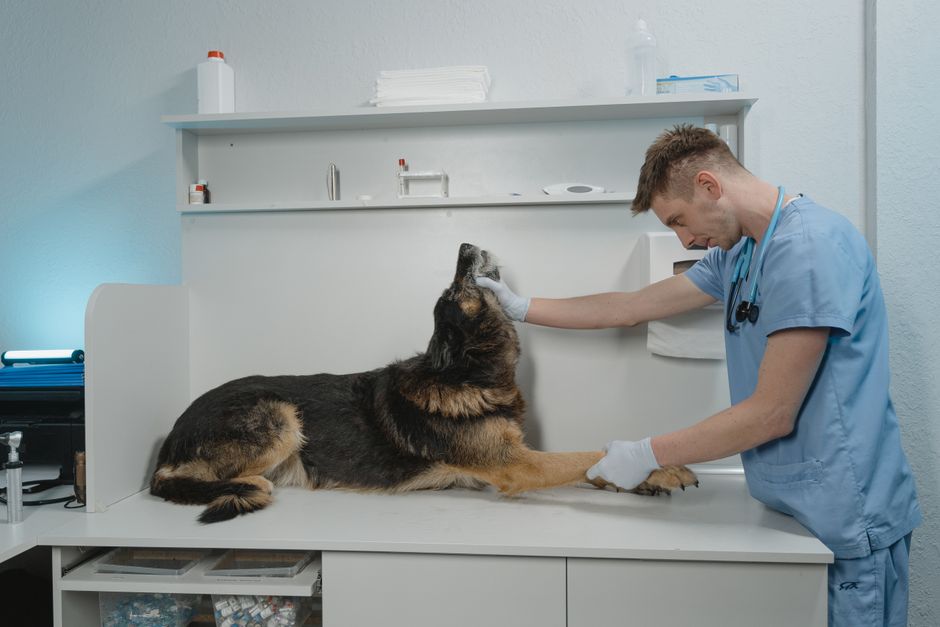
If home remedies do not resolve the problem, or if your dog has a history of allergies or chronic skin issues, scheduling a visit with our veterinarians is the best course of action. Our team can conduct a thorough skin examination, recommend appropriate diagnostic tests, and design a personalized treatment plan that aligns with your holistic values. Services such as pet allergy testing and regular wellness examinations ensure your pet’s ongoing comfort and health.
If you are ever uncertain about a product or notice a sudden change in your dog’s behavior, it is always safer to consult with a veterinary professional. Our goal at Holistic Animal Healing Clinic is to support you with compassionate care and up-to-date expertise, so your pet can live a healthy, pest-free life.
Take the Next Step for Your Dog’s Health
Protecting your dog from fleas and ticks naturally is entirely possible with guidance from experienced veterinarians who understand both traditional and holistic approaches. At Holistic Animal Healing Clinic, we are committed to providing the best natural flea and tick prevention for dogs in Exeter and the surrounding communities. Our team will work closely with you to design a prevention plan that matches your pet’s unique needs, lifestyle, and sensitivities, while using only the safest, most effective natural remedies.
If you are searching for a trusted "vet near me" who can provide both holistic and conventional preventive care, look no further than our veterinary professionals at 7a Hampton Road, Exeter, NH 03833. We invite you to schedule an appointment to discuss your dog’s flea and tick prevention needs, or to arrange a wellness examination for a comprehensive check-up. For more information about holistic therapies, nutritional counseling, or allergy support, our team is always here to answer your questions and offer guidance.
Call us at (603) 772-7387 or visit our website at holisticanimalhealingclinic.org to get started. Together, we can help your dog enjoy a comfortable, pest-free season with natural solutions you can trust.
Medical Disclaimer: The information provided in this blog is for educational purposes only and does not replace professional veterinary advice. Always consult with your veterinarian before beginning any new treatment or prevention plan for your pet’s health. For more details on preventive healthcare, you may also refer to the AAHA-AVMA Canine Preventive Healthcare Guidelines.